Decoding the Lingo: An Educational Guide to Slang for Cocaine
In the complex world of substance consumption, when people buy cocaine online or offline, communication often happens in code. For parents, educators, and community members, understanding this language is a crucial step in identifying risky behavior and facilitating early intervention. Cocaine, a powerful and illegal stimulant, has accumulated hundreds of slang terms over the decades . This guide is designed for educational purposes to explore the most common street names for cocaine, why this coded language exists, and the serious realities behind the words.
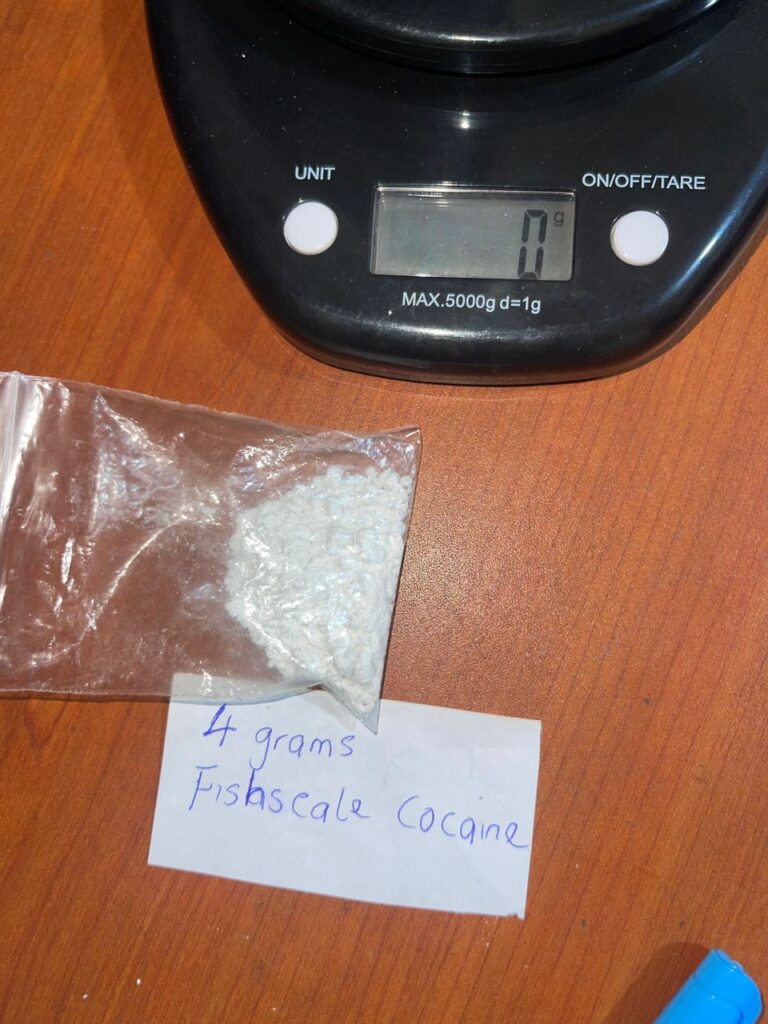
What is Cocaine? Slang for cocaine
Before diving into the slang for cocaine, it’s important to understand the substance itself. Slang for Cocaine is a potent stimulant drug derived from the coca plant, native to South America. It most commonly appears as a fine, white powder (cocaine hydrochloride) that is typically snorted, though it can also be injected or rubbed on gums.
A more potent, smokable form known as “crack cocaine” is processed into small, hard rocks or crystals. Both forms are highly addictive and carry severe health risks, including heart problems, neurological damage, and mental health disorders.
Why So Many Names? The Purpose of Slang for cocaine
The sheer volume of nicknames for cocaine—over 250 by some counts is not accidental. Slang for cocaine serves several key functions within drug-using subcultures:
- Evading Detection: The primary reason for slang is discretion. Using coded language like “snow” or “blow” allows users and dealers to discuss illegal activities in public spaces, on the phone, or online without immediately alerting law enforcement, parents, or teachers.
- Building Subcultural Bonds: Sharing a unique vocabulary creates a sense of identity and belonging. It acts as a linguistic marker that separates “insiders” from “outsiders,” strengthening the social bonds within a group. For example, in the 1980s, some crack cocaine users in New York adopted “Star Trek” terminology, referring to getting high as “beaming up” .
- Normalizing Use: Playful or glamorous nicknames can downplay the drug’s dangers. Terms like “nose candy” or “girl” make the substance seem less threatening and more socially acceptable, which can be particularly appealing to new or casual users.
- Adapting to Change: Slang for cocaine is constantly evolving. As certain terms become too well known to law enforcement or popular culture, new ones emerge to maintain secrecy. Slang for cocaine as well as slang for every other drugs is frequently used for different purpose.
Common Slang for Cocaine
Cocaine’s nicknames are often derived from its appearance (white, powdery), its method of use (snorting), or its effects. Here are some of the most prevalent terms you might encounter:
Based on Appearance (Slang for cocaine)
- Coke: The most straightforward and widely recognized abbreviation of the drug’s name.
- Snow: A classic term referencing the drug’s white, fluffy, powder-like appearance.
- Powder or Dust: Simple, descriptive terms for the substance’s form .
- White/White Girl/White Lady: Terms that personify the drug based on its color, often used to disguise the topic in conversation.
- Flake: Often refers to high-quality, dry cocaine that appears in small, shiny flakes.
Based on Use and Effect
- Blow: One of the most popular slang for cocaine, derived from the act of “blowing” lines of powder.
- Nose Candy: A deceptive slang for cocaine term that glamorizes the drug by likening it to candy, specifically referencing the method of snorting.
- Toot: Refers to a small amount of cocaine or the act of snorting it.
- Line or Rail: Refers to a single, measured dose of cocaine laid out in a line, typically for snorting.
- Bump: A small amount of cocaine, usually a single dose meant to be snorted quickly.
Regional and Cultural Terms
- Yayo (or Yeyo): A slang for cocaine with Spanish origins, commonly used in Hispanic communities and popularized in hip-hop culture and films.
- Charlie: A common slang term for cocaine, particularly in the United Kingdom.
- Percy: Another British slang term, sometimes associated with high-purity cocaine.
Slang for Crack Cocaine and Drug Mixtures
These nicknames are often based on the appearance of the drug. Standard cocaine comes in the form of a white powder, though its color and texture can be altered by certain additives. It’s also common for cocaine and crack cocaine to be mixed with other substances to intensify or alter the effects of either drug or to lessen the negative symptoms of cocaine use
Because crack cocaine is a different form of the drug, it has its own distinct set of street names.
Names for Crack Cocaine
- Rock/Hard: Describes the solid, rock-like form of crack.
- Candy: A deceptively innocent-sounding name for this highly addictive substance.
- Cookies: Refers to small pieces of crack cocaine.
Names for Cocaine Mixed with Other Drugs
Combining cocaine with other substances is extremely dangerous and often has its own terminology:
- Speedball: This is a slang for cocaine that has a mixture of cocaine and heroin.
- Candy Flipping: Combining cocaine with LSD and MDMA (ecstasy).
- Woo Blunt / Cocoa Puffs: Marijuana mixed with cocaine.
- Dirty Fentanyl: Cocaine that has been laced with the synthetic opioid fentanyl, a combination that drastically increases the risk of fatal overdose.
The Importance of Awareness and the Path to Help
While understanding slang is an educational tool for awareness, recognizing the signs of cocaine use is vital for action. Knowing the terminology can help parents hear red flags in conversations or notice coded references on social media.
Signs of Cocaine Use Often Include:
- Physical: Frequent nosebleeds, runny nose, dilated pupils, unexplained weight loss, and track marks.
- Behavioral: Increased energy and talkativeness followed by crashes, extreme secrecy, financial problems, paranoia, and mood swings.
- Paraphernalia: Small baggies with white residue, short straws or rolled bills, razor blades, and small mirrors.
Cocaine addiction is a serious and devastating condition, but recovery is possible. If you or someone you know is struggling with substance abuse, professional help is available. Treatment options include detox programs, inpatient and outpatient rehabilitation, therapy, and support groups. You can buy cocaine online from us. We do not only sell Cocaine online, we also give advise on safe ad responsible use.
Understanding the language is the first step; using it safe and responsibly is the most critical one.