Introduction: Why Are You Asking This Question?
If you’ve typed “how long does cocaine take to test negative” into a search bar, you’re probably facing a specific situation. Maybe you have a job interview coming up, a court-mandated test, or you’re simply trying to understand your health better. Whatever the reason, you want clear facts, not judgment.
This guide is designed to give you exactly that: straightforward, science-based information about how long does cocaine take to test negative and the timelines involved. We’ll break down complex terms into plain English. We’ll also talk about the bigger picture—because knowing how long something stays in your system is different from understanding its impact on your life.
Let’s start with the most important point right away: There is no one-size-fits-all answer. The timeframe can vary wildly from person to person. The numbers you’ll see here are averages and estimates, not guarantees.
Before we go into this article on how long does cocaine take to test negative, permit us tell you about us
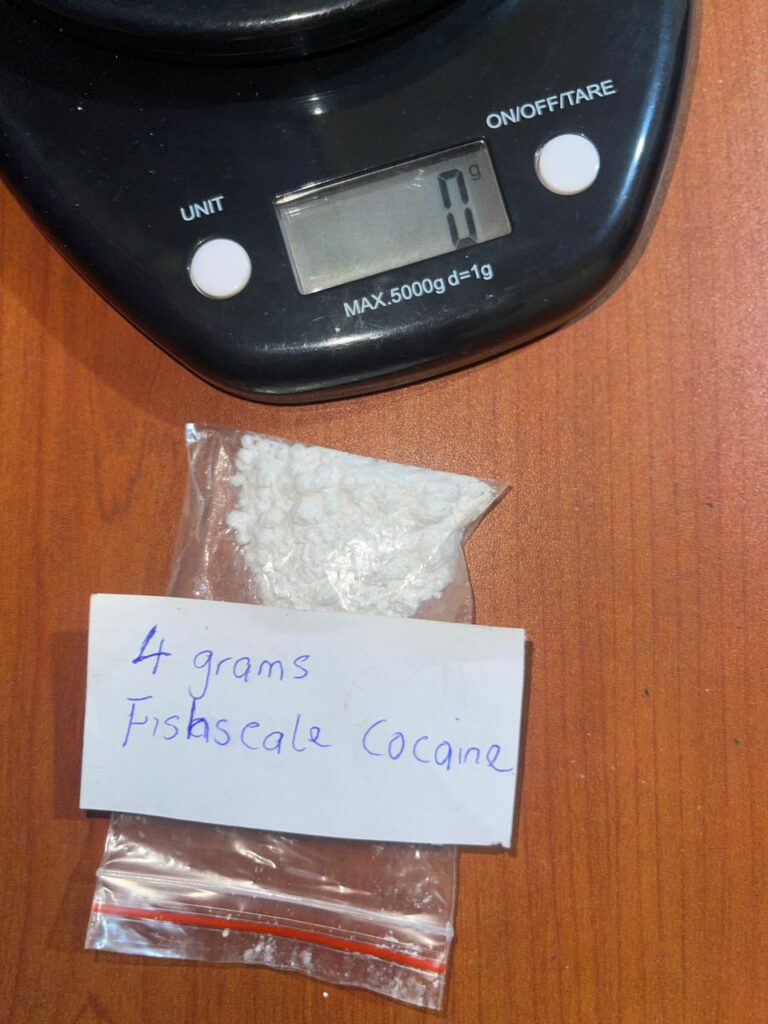
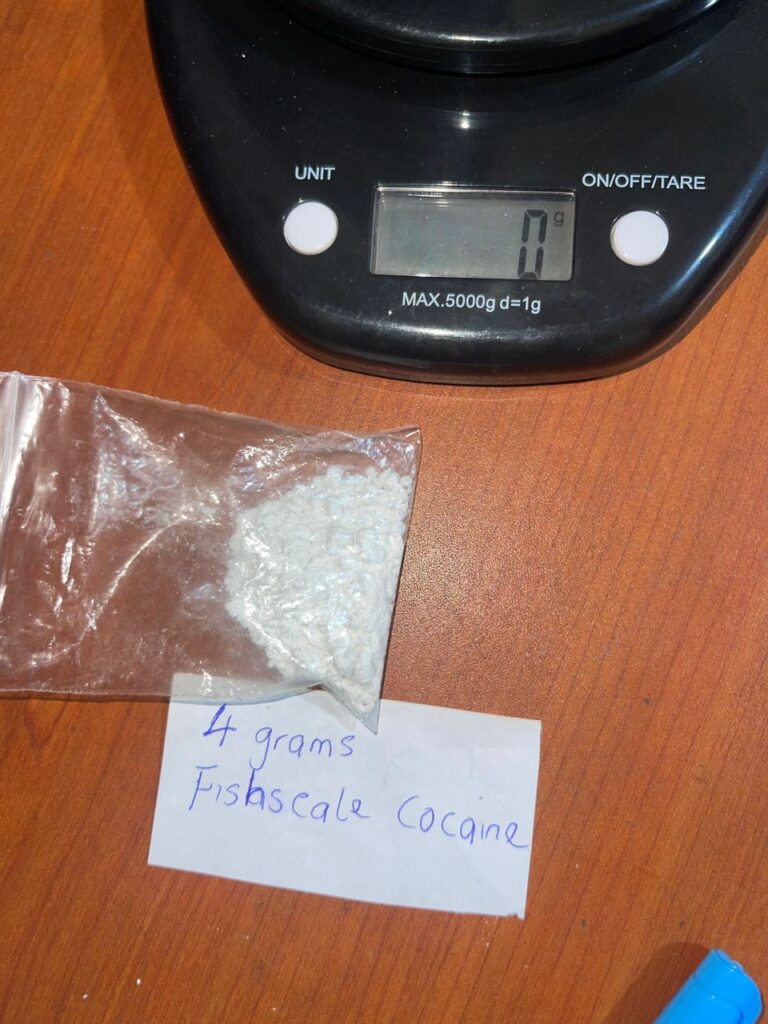
At Fishscale cocaine, we are a trusted and reliable online cocaine store operating on the clear net. With all the below mentioned risk associated with buying cocaine online especially on the dark net, we offer a safe and secured avenue where you can buy cocaine online and get it delivered to your address within 4 days if you are in the United states. Your package comes like a letter which is dropped in your mailbox. Our preferred shipping is with USPS. We ship USA-USA, Canada-Canada, USA-Worldwide. If you are in USA and Canada, you can order just 1 gram to confirm quality and to make sure everything is done right before placing bulk orders.

Part 1: What Happens When Cocaine Enters Your Body?
To understand detection, you need to know what the tests are actually looking for.
When you use cocaine, your body doesn’t just get rid of it. It works to break it down. Your liver is the main processing plant. It metabolizes cocaine into different components, called metabolites. The most important metabolite for drug testing is called benzoylecgonine which is used to detect how long does cocaine take to test negative.
Think of it like this: If cocaine is a whole, distinct toy building block, your liver breaks it down into smaller, different-colored pieces. Drug tests, especially urine tests, are often designed to look for these specific “smaller pieces” (benzoylecgonine) because they stick around in your body much, much longer than the original “block” (cocaine).
Benzoylecgonine is a metabolite—a leftover chemical marker that proves your body processed cocaine. Its presence is what most standard tests are designed to find.
Part 2: Breakdown of Detection Times by Test Type
Different tests have different purposes and look for substances in different parts of your body. Here is a detailed look at the four main types of drug tests.
1. Urine Test (The Standard)
This is by far the most common test for workplaces, probation, and many other screening programs. It’s popular because it’s non-invasive, cheap, and can detect use for several days.
- What it looks for: Primarily benzoylecgonine.
- Typical Detection Window:
- Occasional/Single Use: 2 to 4 days. For someone who uses once, it will typically be out of their urine within this timeframe.
- Heavy or Chronic Use: Up to 10-14 days. With frequent use, the metabolite builds up in your body’s fat tissues and is released into urine slowly over time.
- How it works: You provide a sample at a clinic. It’s first given a quick immunoassay test. If that test is positive, it’s almost always confirmed with a much more precise (and expensive) test called GC-MS (Gas Chromatography-Mass Spectrometry) to rule out false positives from things like certain medicines or foods.
2. Blood Test (The “Right Now” Test)
how long does cocaine take to test negative, Blood tests are less common for routine screening because they are invasive and have a very short detection window. They are used in medical settings (like emergency rooms) or legal situations (like DUI stops) to prove very recent intoxication.
- What it looks for: The actual cocaine molecule, indicating current or very recent use.
- Typical Detection Window: 12 hours to 2 days. Cocaine itself has a very short half-life (about 1 hour), meaning it leaves the bloodstream quickly. However, its metabolites can linger for a day or two.
- How it works: A medical professional draws blood from your arm. The sample is analyzed in a lab.
3. Saliva / Oral Fluid Test (The “Recent Use” Test)
how long does cocaine take to test negative, These tests are growing in popularity for on-the-spot screening, like at accident sites or in certain workplaces. They are easy to administer—usually a swab inside the cheek.
- What it looks for: The parent cocaine drug.
- Typical Detection Window: 24 to 48 hours. Like blood tests, they are excellent for detecting use within the past day or two but are not good for detecting use from several days ago.
- How it works: A collector places an absorbent swab between your lower cheek and gum for a few minutes. The swab is then sealed in a container and sent to a lab.
4. Hair Follicle Test (The “Long-Term History” Test)
how long does cocaine take to test negative, hair follicle test is the test with the longest reach. It doesn’t measure impairment or even recent use. Instead, it provides a long-term record of drug use patterns. It’s used for high-security jobs, certain court cases, or long-term monitoring programs.
- What it looks for: Cocaine and benzoylecgonine become trapped in the core of the hair shaft as it grows.
- Typical Detection Window: Up to 90 days (about 3 months), or longer. A standard test uses a 1.5-inch segment of hair cut close to the scalp, which represents about 90 days of growth. Important: It takes about 5-7 days for the drug metabolites to grow into the hair shaft above the scalp, so it cannot detect use within the last week.
- How it works: A small sample of hair (about 100-120 strands, about the thickness of a pencil) is cut from the crown of your head. If you have no head hair, body hair can be used.
(Insert a simple, mobile-friendly table here for quick reference)
| Test Type | What It Detects | Typical Detection Window | Primary Use Case |
|---|---|---|---|
| Urine | Benzoylecgonine (metabolite) | 2-4 days (up to 14 days for heavy use) | Job screenings, probation, routine monitoring |
| Blood | Cocaine (parent drug) | 12 hours – 2 days | Medical emergencies, legal DUIs |
| Saliva | Cocaine (parent drug) | 24 – 48 hours | Roadside testing, on-site accident screening |
| Hair | Cocaine & Metabolites | Up to 90 days (from scalp sample) | Pre-employment for high-security roles, long-term history |
Part 3: What Factors Can Change These Timelines?
Another big question on how long does cocaine take to test negative is why can one person test negative in 2 days while another might test positive for 10? Your body is unique, and many things influence how quickly it processes substances.
- Frequency and Amount of Use: This is the #1 factor. A single, small dose will clear faster than large, repeated doses. Chronic use leads to accumulation in your body’s fat tissues, leading to a much longer “wash-out” period.
- Metabolism: People with a faster metabolism generally process and eliminate substances more quickly. Age, genetics, and thyroid function all play a role here.
- Body Mass and Hydration: Benzoylecgonine is water-soluble. Your hydration level can slightly dilute the concentration in your urine, but it usually won’t make you test negative if the metabolite is present. Extreme hydration is often flagged by labs as a “dilute” sample, which may require a retest.
- Overall Health: Liver and kidney function are critical. If these organs aren’t working at full capacity, detoxification and elimination slow down.
- Drug Purity and Cut: Street cocaine is almost never pure. It is “cut” with other substances like lidocaine, caffeine, or levamisole (a dangerous animal dewormer). Your body must process these unknown chemicals too, which can add stress to your system.
A Critical Warning About “Detox” Methods: The internet is full of myths about passing drug tests especially to know how long does cocaine take to test negative—drinking vinegar, taking massive amounts of niacin, using special teas. Most are ineffective and some are dangerously unhealthy. They do not speed up your liver’s metabolic process. The only thing that guarantees a negative test is time and the absence of new drug use.
Part 4: Beyond the Test: Understanding the Real-World Impact
This guide exists to provide factual education. But if the reason you’re researching this involves worry, stress, or secrecy about a test, it might be a sign to take a step back and look at the bigger picture.
Cocaine is a powerful central nervous system stimulant. Its temporary effects are followed by a intense “crash,” leading to cravings for more. This cycle can quickly move from occasional use to dependency.
The risks go far beyond a positive drug test:
- Physical Health: Increased risk of heart attack, stroke, seizures, respiratory failure, and severe damage to your nasal septum (if snorted).
- Mental Health: Can trigger or worsen anxiety, paranoia, panic attacks, and psychosis.
- Life Consequences: Addiction can strain or destroy relationships, lead to financial ruin, and cause job loss or legal troubles that last a lifetime.
Part 5: If You’re Concerned: Steps Toward Support
To know more on how long does cocaine take to test negative Researching test timelines can be a moment of clarity. If you’re concerned about your own use or that of someone you care about, this is a sign that it might be time to seek information or support.
- Talk to a Professional: A doctor can give you confidential advice. They can discuss what you’re experiencing and point you toward safe resources. Patient confidentiality laws protect you.
- Contact a Helpline: These are free, confidential, and available 24/7. You don’t have to give your name.
- In the U.S. and Canada, call or text 988 to reach the Suicide & Crisis Lifeline, which can also provide support for substance use.
- Call the SAMHSA National Helpline at 1-800-662-HELP (4357). This is a treatment referral and information service.
- Look for Local Resources: Search for “substance use support groups” or “addiction counseling” in your city. Options like SMART Recovery or local community health centers can be great starting points.
Conclusion: The Only Sure Answer
So, how long does cocaine take to test negative
- For a common urine test: Estimate 3-4 days, but respect that for some, it’s longer.
- The substance leaves your body on its own unique schedule, influenced by your health, history, and biology.
- The only 100% guaranteed way to test negative for cocaine is not to use it.
Arming yourself with knowledge is a powerful first step. Whether you use this information to navigate a testing situation or as a catalyst to think about your health and choices, understanding the “how” and “why” behind the numbers is crucial. Your well-being is the most important thing to consider, long after any test is over.
Disclaimer: This blog post on how long does cocaine take to test negative is created for educational and research purposes only. The information contained here is based on general medical and toxicological knowledge. It is not a substitute for professional medical or legal advice. Detection times are estimates and can vary significantly. Always consult with a healthcare provider or a toxicology expert for guidance related to your personal health or specific situation. If you are facing a legal drug test, consulting with an attorney is advisable.